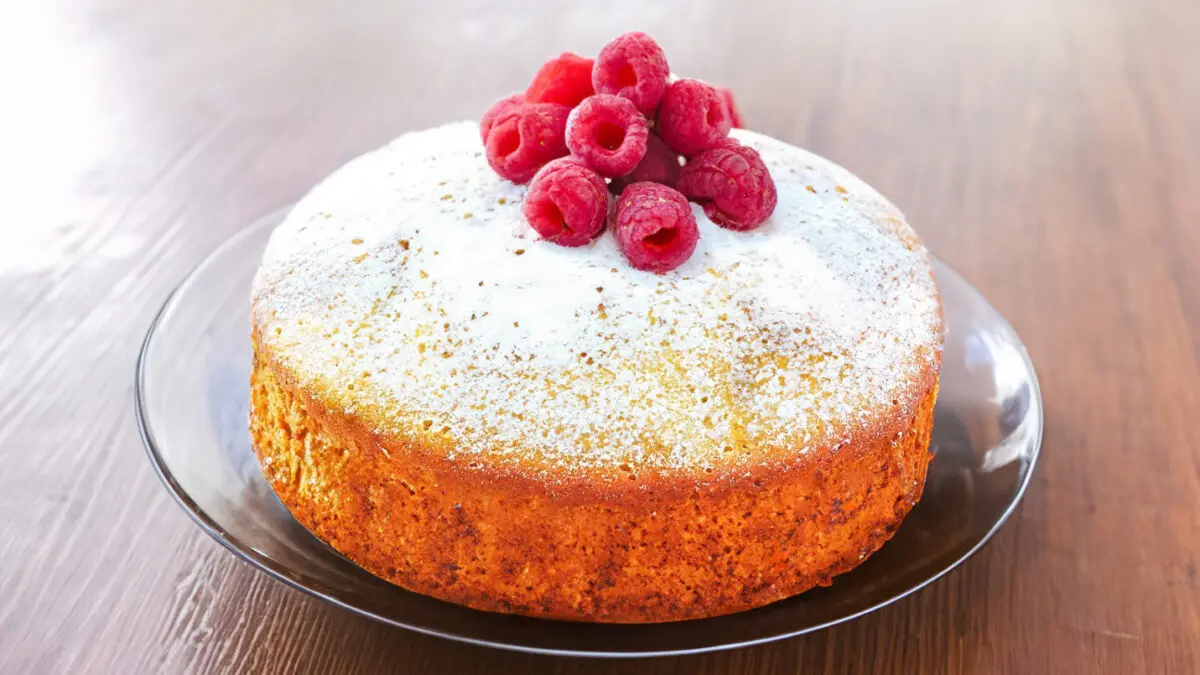
Eggs are one of the most important ingredients in sponge cake baking. They provide structure, moisture, richness, and the air needed to create a soft, light, and fluffy texture. However, achieving the perfect sponge cake requires more than simply mixing eggs with sugar and flour. The temperature of the eggs during whipping plays a significant role in determining the final result. Understanding how temperature affects egg foam can help bakers produce consistent, delicious cakes with an excellent rise and delicate crumb.
Whether preparing a traditional sponge cake or a Lithuanian biskvitas, controlling egg temperature is an essential baking technique. By learning when to use room-temperature eggs, how to whip them correctly, and which mistakes to avoid, home bakers and professionals can improve their results.
Understanding the Science of Egg Whipping
Eggs contain proteins that help create and stabilize foam when beaten. During whipping, air is incorporated into the egg mixture, forming thousands of tiny bubbles. The proteins unfold and surround these bubbles, helping them remain trapped within the mixture.
This air provides much of the volume in sponge cakes. Unlike many butter cakes, which rely heavily on chemical leavening agents, traditional sponge cakes often depend on whipped eggs for their light structure.
Temperature influences how easily eggs incorporate air, how quickly the foam develops, and how stable the resulting bubbles remain. Eggs that are too cold may take longer to reach the desired volume, while properly warmed eggs can produce a more expansive foam under suitable conditions.
The goal is not simply to whip eggs as quickly as possible. It is to create a stable foam that can support the other ingredients and maintain its structure during baking.
Why Room-Temperature Eggs Often Work Best
Room-temperature eggs are commonly recommended for sponge cake recipes because they generally whip more efficiently than cold eggs. When eggs are allowed to warm slightly, their contents become less viscous, making it easier for air to disperse throughout the mixture.
For many sponge cake recipes, eggs around 20–25°C (68–77°F) are a practical starting point. This range is not a strict rule for every recipe, but it works well for many traditional preparations.
Warmer eggs can reach a greater volume during whipping, creating a lighter mixture with a finer distribution of air bubbles. These bubbles expand in the oven, helping the cake rise and develop its characteristic soft texture.
Room-temperature eggs also blend more readily with sugar in many recipes. A smoother mixture can make it easier to achieve consistent results, especially when preparing delicate sponge cakes that depend on precise mixing techniques.
For biskvitas, where a light and airy crumb is often desirable, preparing the eggs at an appropriate temperature can make a noticeable difference.
What Happens When Eggs Are Too Cold?
Cold eggs are not unsuitable for baking, but they may require additional whipping time to achieve the same volume as eggs that have warmed to room temperature.
When eggs come directly from the refrigerator, their contents are thicker and less fluid. This can slow the formation of foam and make it harder to incorporate air efficiently.
If a baker follows a recipe without accounting for the colder temperature, the mixture may not reach its intended volume before the remaining ingredients are added.
Insufficiently whipped eggs can lead to a dense cake with a compact crumb and limited rise. The finished sponge may feel heavier than expected and lack the delicate texture associated with a well-made cake.
Cold eggs can also make certain mixtures more difficult to combine smoothly, particularly when recipes involve melted butter or other temperature-sensitive ingredients.
However, the effect depends on the recipe and whipping method. Some recipes are specifically designed around cold eggs or use different techniques to create a stable foam. Following the method provided by a trusted recipe remains important.
Can Eggs Become Too Warm?
Although moderate warmth can improve whipping performance, excessive heat is not beneficial. Egg proteins are sensitive to temperature, and uncontrolled heating can begin changing their structure before the desired foam is created.
For recipes that warm eggs and sugar together, gentle heating is often used to improve foam formation. The mixture is typically stirred continuously over a warm water bath until it reaches approximately 40–45°C (104–113°F), depending on the recipe.
This process should be controlled carefully. The mixture must not become hot enough to cook the eggs or form solid particles.
Overheated eggs may develop an uneven texture, making them difficult to whip smoothly. If proteins coagulate prematurely, the mixture may lose its ability to create the fine, uniform foam required for a delicate sponge cake.
For ordinary home baking, bringing refrigerated eggs to room temperature is usually sufficient. More advanced techniques involving warmed eggs are best used when the recipe specifically calls for them.
How Egg Temperature Affects Cake Volume and Texture
The relationship between egg temperature and cake quality becomes particularly clear when examining the finished sponge.
First, temperature affects volume. Eggs that whip efficiently can incorporate a larger quantity of air, allowing the batter to expand during baking. Greater volume, however, is useful only when the foam remains stable.
Second, temperature influences bubble structure. A good egg foam contains many small, evenly distributed bubbles rather than a mixture dominated by large, unstable pockets of air. Fine bubbles generally contribute to a smoother crumb.
Third, temperature affects consistency. Properly prepared eggs can help bakers achieve repeatable results from one batch to another. This is particularly valuable when producing layered cakes, celebration desserts, or traditional biskvitas for special occasions.
Finally, temperature works together with mixing technique. Even correctly warmed eggs can produce disappointing results if they are under-whipped, over-whipped, or handled too roughly when flour is incorporated.
Successful baking depends on managing these factors as a complete process rather than relying on temperature alone.
The Best Way to Prepare Eggs Before Whipping
Preparing eggs correctly does not require complicated equipment. A few simple steps can make the process easier and more consistent.
Allow Refrigerated Eggs to Warm Gradually
Remove the eggs from the refrigerator approximately 20–30 minutes before baking, depending on the room temperature. This allows them to warm naturally.
If time is limited, place the whole eggs in a bowl of lukewarm water for several minutes. Avoid hot water, which can warm them unevenly or begin cooking parts of the egg.
Use a Clean Mixing Bowl
Grease or fat can interfere with foam formation, especially when whipping egg whites separately. Use a clean, dry bowl and ensure the beaters are free from oily residue.
Stainless steel or glass bowls are useful choices because they are easy to clean thoroughly.
Whip According to the Recipe
Some sponge cake recipes require whole eggs and sugar to be whipped together. Others call for separating the yolks and whites.
Whole-egg mixtures often benefit from moderate warming, while egg whites can form foam at a range of temperatures. The best approach depends on the recipe’s structure and ingredients.
Add Flour Gently
Once the eggs have reached the desired volume, sifted flour should be folded in carefully. Vigorous stirring can break the air bubbles that took time to develop.
Use a spatula to lift the mixture from the bottom of the bowl and fold it over the top until the ingredients are just combined.
Common Egg-Whipping Mistakes to Avoid
One frequent mistake is using eggs straight from the refrigerator without adjusting the whipping time. This may result in insufficient volume when the baker follows a fixed mixing schedule.
Another problem is assuming that longer whipping always produces a better foam. Excessive whipping can create a dry, coarse, or unstable mixture, particularly when egg whites are beaten separately.
Adding flour too quickly can also deflate the foam. Similarly, leaving the finished batter standing for too long may allow bubbles to collapse before the cake enters the oven.
Bakers should also avoid changing temperatures without considering the recipe. A method designed for room-temperature eggs may behave differently from one that uses a warm egg-and-sugar mixture.
Paying attention to visual cues, such as volume, consistency, and ribbon formation, is often more useful than relying exclusively on a timer.
Applying Temperature Control to Biskvitas
Biskvitas is a traditional Lithuanian sponge cake that can be prepared in different ways depending on family traditions and regional preferences. Like other sponge cakes, its texture often depends on achieving sufficient aeration and maintaining that air during mixing and baking.
When preparing biskvitas, start by checking the recipe’s recommended egg temperature. If it calls for room-temperature eggs, allow them to warm before whipping. If it specifies heating the eggs and sugar, use gentle, controlled heat and monitor the mixture carefully.
Whip until the mixture reaches the consistency described in the recipe. Fold the flour in gently, transfer the batter to the prepared pan, and bake promptly in a properly preheated oven.
Avoid opening the oven door too early because sudden temperature changes can affect a cake that has not yet established its structure.
These practices help support a sponge that rises evenly and develops a tender crumb suitable for serving plain or combining with cream, fruit, or other traditional accompaniments.
Conclusion
Egg-whipping temperature is an important part of producing a light, delicate sponge cake. Room-temperature eggs often incorporate air more efficiently, while controlled warming can improve foam formation in recipes designed for that technique. Eggs that are excessively hot, insufficiently whipped, or handled roughly may produce less satisfactory results.
For bakers preparing everyday desserts or traditional biskvitas, consistency comes from combining appropriate egg temperature with clean equipment, careful whipping, gentle folding, and correct baking conditions.
By understanding the science behind egg foam and paying attention to the details of preparation, bakers can create sponge cakes with better volume, a softer texture, and more reliable results. A small adjustment to egg temperature can become an important step toward mastering the art of sponge cake baking.
