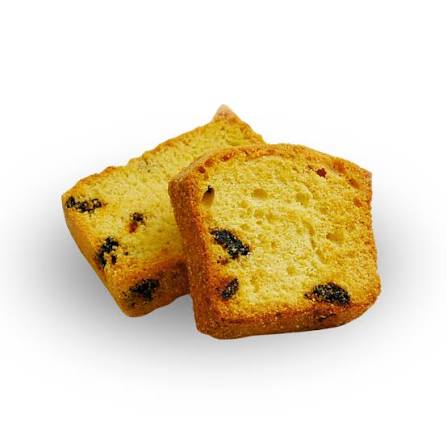
A perfectly fluffy sponge cake is one of the most rewarding creations in home baking. With its soft texture, delicate crumb, and light structure, a well-made cake can turn simple ingredients into an unforgettable dessert. Biskvitas, a traditional sponge cake popular in Lithuanian baking, is an excellent example of how basic ingredients and careful techniques can produce exceptional results. Whether you plan to serve it with fresh berries, layer it with cream, or enjoy it alongside a cup of coffee, mastering the fundamentals is the key to success.
Although sponge cakes may look simple, achieving the ideal texture requires attention to detail. Small mistakes, such as overmixing the batter or opening the oven too early, can cause the cake to become dense or collapse. Fortunately, following a few golden rules can help you bake a consistently fluffy biskvitas that looks beautiful and tastes delicious.
1. Choose Fresh Ingredients and Measure Accurately
The foundation of every successful sponge cake is a carefully measured selection of ingredients. Traditional biskvitas recipes typically rely on eggs, sugar, flour, and sometimes a small amount of baking powder. Because the ingredient list is relatively short, every component plays an important role in the final result.
Fresh eggs are particularly important because they help create the airy structure that makes sponge cake so light. Eggs provide both moisture and structure, while their proteins trap air during whipping. When heated in the oven, those proteins help the cake maintain its shape.
Sugar does more than sweeten the batter. It also stabilizes whipped eggs and contributes to a tender crumb. Flour provides the structure needed to hold the cake together, but adding too much can make the finished sponge dry or heavy.
For the best results, measure your ingredients with a kitchen scale whenever possible. Measuring cups can introduce inconsistencies because flour may become compacted during scooping. Accurate measurements make it easier to repeat successful results.
Allow refrigerated eggs to reach room temperature before whipping. Room-temperature eggs generally incorporate air more efficiently, helping the batter develop the volume needed for a delicate sponge.
2. Whip the Eggs Until They Become Light and Voluminous
Egg whipping is one of the most important techniques in creating a fluffy biskvitas. Unlike many butter cakes, which depend heavily on creaming butter and sugar, traditional sponge cakes often obtain much of their volume from air incorporated into eggs.
Begin by placing the eggs and sugar in a clean, dry mixing bowl. Beat them with an electric mixer until the mixture becomes pale, thick, and noticeably increased in volume. Depending on the mixer and the number of eggs, this process may take several minutes.
A useful test is the ribbon stage. Lift the beaters above the bowl and allow some batter to fall back into the mixture. If it leaves a visible ribbon on the surface that remains for a few seconds before disappearing, the eggs are generally ready.
Avoid stopping too early. Insufficiently whipped eggs may not contain enough air to produce the desired height and softness. However, whipping alone cannot guarantee success; the air must also be preserved during the next stages.
Make sure your mixing bowl and beaters are clean. Grease or residue can interfere with proper whipping, particularly in recipes that separate egg whites from yolks.
Patience during this step creates a strong foundation for the entire cake.
3. Fold the Flour Gently to Preserve the Air
Once the eggs have reached the correct consistency, the next challenge is incorporating the dry ingredients without losing the air you worked so hard to create.
Sift the flour before adding it to the egg mixture. Sifting breaks up lumps, distributes the flour more evenly, and makes it easier to incorporate without excessive stirring.
Add the flour gradually, preferably in two or three portions. Using a flexible spatula, gently fold the mixture by moving down through the center of the bowl, sweeping along the bottom, and lifting the batter over itself. Rotate the bowl as you work.
Avoid vigorous circular stirring. Although it may seem faster, aggressive mixing can deflate the batter and encourage excessive gluten development. Both can negatively affect the cake’s texture.
Continue folding only until no obvious streaks of dry flour remain. If your recipe includes melted butter or another liquid ingredient, incorporate it according to the recipe’s instructions, using similarly gentle movements.
The finished batter should look light and airy rather than thin and flat. Transfer it to the prepared cake pan promptly, because allowing it to sit for too long may cause some of the trapped air to escape.
Gentle folding is a simple technique, but it often separates an ordinary sponge from a beautifully fluffy biskvitas.
4. Prepare the Pan and Control the Oven Temperature
Even an excellent batter can fail if the baking environment is unsuitable. Proper pan preparation and consistent oven temperature help the sponge rise evenly and develop a stable structure.
Preheat your oven before mixing the final ingredients. Most sponge cakes bake well at moderate temperatures, commonly around 170–180°C (340–355°F), although the ideal setting depends on the recipe, pan size, and oven characteristics.
Prepare the cake pan as directed by your recipe. Greasing and lining the base with parchment paper can make removal easier. Some sponge recipes benefit from leaving the sides ungreased so the batter can cling to the pan as it rises, so follow the method specified for your particular biskvitas.
Pour the batter into the pan and level it gently. Avoid repeatedly tapping or shaking the pan, as excessive movement may remove valuable air.
Place the cake on the appropriate oven rack and resist the temptation to open the door during the early stages of baking. A sudden temperature change can interrupt the rising process before the structure has set.
Begin checking for doneness near the end of the recommended baking time. The top should generally appear lightly golden and spring back when touched gently. A skewer inserted into the center should emerge clean or with only a few dry crumbs, depending on the recipe.
If the top browns too quickly while the center remains underbaked, your oven may be running too hot. An inexpensive oven thermometer can help identify temperature inconsistencies.
5. Cool the Cake Correctly and Handle It with Care
Baking does not end when the cake leaves the oven. Cooling is another important stage because the sponge continues to settle as its internal structure stabilizes.
Remove the cake from the oven carefully and follow the cooling method recommended by your recipe. Some sponge cakes should cool briefly in the pan before being removed, while others benefit from cooling upside down to reduce shrinkage.
Avoid moving the cake roughly while it is still hot. Its structure may be delicate, and sudden handling can cause cracks or compression.
Once the sponge has cooled sufficiently, remove it from the pan if appropriate and place it on a wire rack. Allow air to circulate around the cake so moisture does not become trapped underneath.
If you intend to create a layered dessert, wait until the sponge has cooled completely before slicing it horizontally. Cutting a warm cake can crush its delicate crumb and produce uneven layers.
For additional moisture, you can brush the cooled sponge lightly with a simple sugar syrup before adding filling. This is especially useful when preparing layered biskvitas with whipped cream, fruit, custard, or other fillings. Apply the syrup gradually to prevent the cake from becoming soggy.
Store the finished cake in an airtight container to help preserve its softness. If it contains perishable cream or custard, refrigerate it and follow appropriate food-safety practices.
Common Mistakes That Make Sponge Cake Dense
Understanding common baking problems makes it easier to improve your results. One frequent mistake is underwhipping the eggs, which limits the amount of air available to support the cake. Another is overmixing after adding flour, causing the batter to lose volume before baking.
Incorrect oven temperature can also produce disappointing results. An oven that is too cool may prevent the sponge from setting properly, while excessive heat can brown the outside before the center finishes baking.
Using inaccurate measurements, opening the oven door too early, and cutting the cake while it is warm can further affect the final texture.
If your biskvitas collapses, consider which stage may have caused the problem rather than changing every ingredient at once. Making one adjustment per attempt will help you identify the technique that needs improvement.
Conclusion
Creating a truly fluffy biskvitas is less about complicated ingredients and more about mastering a few essential techniques. Accurate measurements establish consistency, properly whipped eggs create volume, gentle folding preserves air, controlled baking develops structure, and careful cooling protects the finished cake.
With practice, these five golden rules can help you produce a sponge that is light, tender, and versatile enough for many occasions. Serve it simply with powdered sugar and fresh fruit, or transform it into an elegant layered dessert with cream and berries.
The secret to excellent sponge cake lies in patience, precision, and attention to detail. Once you understand how each step contributes to the final texture, baking a beautifully fluffy biskvitas becomes a skill you can confidently repeat and enjoy.
