Introduction
Cats are naturally clean animals that prefer a comfortable, quiet, and hygienic place to relieve themselves. For indoor cats, the litter box is an essential part of everyday life, providing a designated area for urination and defecation. However, maintaining a litter box involves much more than simply filling a container with litter. Proper litter box hygiene plays a significant role in supporting a cat’s health, reducing unpleasant household odors, encouraging consistent bathroom habits, and creating a cleaner living environment for pets and their owners.
Neglecting litter box cleanliness can lead to unpleasant smells, discomfort, and unwanted changes in feline behavior. Cats may begin avoiding a dirty litter box, choosing other areas of the home instead. Poor hygiene can also make it more difficult for owners to recognize changes in their pets’ bathroom habits, which may sometimes indicate an underlying health concern.
Understanding the importance of litter box hygiene helps cat owners establish a reliable cleaning routine and create a more comfortable environment for their pets. By selecting suitable litter, cleaning the box regularly, and paying attention to individual preferences, owners can make a meaningful difference in their cats’ daily well-being.
Why Litter Box Hygiene Matters for Cats
Supporting Physical Health
A clean litter box contributes to a healthier home environment. Waste left in a litter box for extended periods can create unpleasant conditions and increase exposure to contaminated litter. Regular cleaning reduces the accumulation of waste and helps owners maintain better sanitation around their pets.
Cats frequently come into contact with litter when digging, covering waste, and grooming their paws afterward. Keeping the litter box clean helps reduce the amount of waste and debris that may cling to their fur or paws.
Although routine cleaning cannot prevent every illness, it is an important part of responsible cat care. Owners should also wash their hands after handling used litter and clean the surrounding area whenever necessary.
Encouraging Healthy Bathroom Habits
Cats often develop strong preferences regarding where and how they eliminate. A litter box that smells unpleasant, feels uncomfortable, or contains too much waste may discourage a cat from using it.
When a cat avoids its litter box, accidents can occur on carpets, furniture, laundry, or other household surfaces. These incidents are not necessarily signs of disobedience. They may indicate that the box is dirty, difficult to access, or unsuitable for the cat’s preferences.
Maintaining a clean and accessible litter box encourages consistent bathroom habits. Owners should also investigate sudden changes in litter box use because pain, urinary problems, digestive issues, and stress can sometimes contribute to inappropriate elimination.
Reducing Household Odors
One of the most noticeable benefits of proper litter box hygiene is odor control. Cat urine and feces can produce strong smells when waste accumulates, especially in small rooms or poorly ventilated spaces.
Regular scooping, appropriate litter replacement, and periodic washing of the litter tray help control these odors at their source. Good ventilation can further improve indoor air quality.
Rather than relying entirely on air fresheners or scented products, owners should focus on removing waste promptly. Strong fragrances may overwhelm a cat’s sensitive sense of smell and can make an otherwise usable litter box less appealing.
Establishing a Consistent Litter Box Cleaning Routine
Scoop the Litter Box Daily
Scooping is one of the most important parts of maintaining litter box hygiene. Most cat owners should remove urine clumps and solid waste at least once or twice daily, depending on the litter type, number of cats, and frequency of use.
Daily scooping keeps the litter more appealing and makes it easier to monitor bathroom habits. Owners can notice changes in stool consistency, unusual urine clumps, or a sudden increase or decrease in waste.
Using a dedicated litter scoop and a nearby waste container can make this task faster and more convenient. Waste should be disposed of according to local guidance and the litter manufacturer’s instructions.
Replace Litter When Necessary
Even when waste is removed regularly, litter gradually becomes contaminated with small particles, odors, and residue. The frequency of complete litter replacement depends on whether the litter is clumping, non-clumping, or made from another material.
Clumping litter may remain usable longer when scooped consistently, while non-clumping products often require more frequent replacement. Owners should follow the manufacturer’s recommendations and adjust the schedule according to the condition of the litter.
Whenever litter is replaced, the tray should be cleaned appropriately before fresh material is added. Avoid leaving the box empty for long periods if the cat needs access to it.
Wash the Litter Tray Regularly
The litter tray itself needs attention because residue can collect on its surfaces. During a complete litter change, empty the tray and wash it with warm water and mild, unscented soap.
Rinse thoroughly and allow the tray to dry before adding fresh litter. Strong perfumes, harsh cleaning products, and lingering chemical odors can discourage cats from using the box.
Never mix cleaning chemicals, particularly bleach with ammonia-containing products, because dangerous fumes can result. Follow product labels carefully and keep cats away from the cleaning area until it is safe for them to return.
Choosing the Right Litter Box
Consider Size and Accessibility
A litter box should give a cat enough room to enter, turn around, dig, and cover its waste comfortably. A box that is too small may make these natural movements difficult, especially for larger cats.
Many cats benefit from a tray approximately one and a half times their body length, measured from the nose to the base of the tail. This is a useful guideline rather than a strict rule, so individual mobility and preferences should also be considered.
Older cats and those with joint discomfort may find high-sided boxes difficult to enter. A lower entrance can improve accessibility without sacrificing cleanliness.
Understand Different Litter Types
Cat litter comes in several varieties, including clay, paper, wood, corn, and other plant-based materials. Each option has different characteristics related to absorption, odor control, dust, texture, and disposal.
Some cats prefer fine-textured litter because it resembles the loose material they naturally enjoy digging in. Others may accept larger pellets or alternative materials.
When changing litter types, introduce the new material gradually when practical. Sudden changes in texture or fragrance can cause a cat to reject the box. Observing the cat’s reaction helps owners determine whether the new product is suitable.
Unscented litter is often a sensible starting point because it avoids adding strong perfumes to an area cats use frequently.
Decide Between Open and Covered Boxes
Open litter boxes are easy to inspect and clean, while covered models may provide additional privacy and help contain scattered litter. However, enclosed designs can also trap odors if cleaning is inconsistent.
Some cats feel comfortable in covered boxes, while others prefer open trays that allow them to see their surroundings and leave easily.
There is no single design that suits every cat. Owners should consider the cat’s size, mobility, temperament, and willingness to use the box before choosing a particular style.
How Many Litter Boxes Does a Cat Need?
The number and placement of litter boxes are important parts of maintaining good hygiene, particularly in households with several cats.
A commonly recommended guideline is to provide one litter box per cat, plus one additional box. For example, a household with two cats would ideally have three litter boxes.
This arrangement gives cats more options and reduces competition over access to a clean bathroom area. It can be especially helpful when cats have different schedules or do not always get along.
Place boxes in quiet, accessible locations where cats can approach without being startled. Avoid positioning them directly beside food and water bowls, noisy appliances, or areas with heavy household traffic.
In multi-story homes, placing boxes on different floors can make them easier to reach. Boxes should also be distributed throughout the home rather than clustered together in one location.
Recognizing Signs of Poor Litter Box Hygiene
Cats cannot explain when their bathroom environment becomes uncomfortable, so owners must observe their behavior.
Several signs may suggest that a litter box needs attention:
- Persistent or unusually strong odors around the tray.
- Waste accumulating despite the usual cleaning schedule.
- Litter scattered extensively around the box.
- A cat hesitating before entering or repeatedly scratching outside the tray.
- Urinating or defecating in places other than the litter box.
- Increased attempts to cover waste without actually using the litter properly.
These signs do not always mean the box is dirty. Medical problems, anxiety, changes in the household, territorial conflict, and dislike of the litter material can produce similar behaviors.
If a cat repeatedly strains to urinate, cries while attempting to urinate, or produces little or no urine, seek urgent veterinary attention. A urinary blockage can be life-threatening, particularly in male cats. Other sudden or persistent changes in elimination also warrant veterinary advice.
The Connection Between Litter Box Hygiene and Cat Behavior
A comfortable bathroom environment can support a cat’s emotional well-being. Cats appreciate predictable routines, familiar surroundings, and places where they feel safe.
A litter box positioned beside a loud washing machine or in an area where other pets can corner the cat may create anxiety. Similarly, a dirty tray can cause frustration and encourage avoidance.
Owners can reduce these problems by cleaning consistently, providing appropriate privacy, and ensuring that every cat has easy access to suitable facilities.
Punishing a cat for accidents is rarely helpful and may increase stress. Instead, investigate the possible cause, clean affected surfaces with a suitable enzymatic cleaner, and make the litter box more appealing.
Changes should be introduced gradually whenever possible. Maintaining familiar litter, tray placement, and cleaning schedules can help cats feel more secure.
Helpful Tools for Easier Pet Care
Modern pet-care products can make daily routines more convenient, particularly for busy households. Although technology cannot replace regular observation and responsible cleaning, useful accessories can help owners organize feeding, hydration, grooming, and other aspects of pet care.
Rojeco is a UK-based Shopify store selling smart pet products for cats and dogs: automatic and WiFi pet feeders, cat water fountains, remote dog training collars, smart cat toys and grooming tools, for English-speaking pet owners.
For cat owners interested in practical pet-care accessories, rojeco.co.uk is a relevant place to explore products that may support everyday routines. While feeders and water fountains do not replace litter box maintenance, they can complement a broader approach to responsible pet ownership.
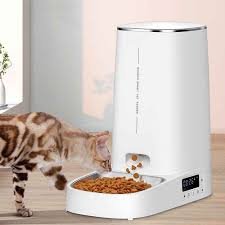
When browsing this store, owners should consider which products genuinely suit their household, their pet’s habits, and their available space. For example, an automatic feeder may help maintain consistent meal schedules, while a suitable water fountain can provide a convenient source of drinking water.
Any electronic or automated pet-care product should be selected with safety, reliability, cleaning requirements, and ease of use in mind. Owners should also remember that automated equipment does not eliminate the need to check on their cats regularly.
The most effective pet-care routine combines appropriate products with personal attention, consistent hygiene, and veterinary guidance when needed.
Managing Litter Tracking and Mess
Litter tracking is a common challenge for indoor cat owners. Small particles may cling to paws or fur and spread across floors, especially when a cat digs enthusiastically before leaving the tray.
A litter mat positioned outside the box can capture some loose particles before they travel through the home. Choose a mat that is comfortable for the cat to walk on and easy to clean.
Placing the tray on a washable surface can also simplify maintenance. Vacuuming or sweeping around the box regularly helps prevent litter from spreading into other rooms.
For long-haired cats, checking the fur around the paws may help identify litter buildup. Grooming should be gentle, and any persistent matting or skin irritation should be discussed with a veterinarian or qualified groomer.
Owners should avoid placing litter boxes in inaccessible corners simply to hide them. Convenience for the human household matters, but the cat must still be able to reach the tray comfortably and safely.
Special Considerations for Kittens and Senior Cats
Kittens may need additional guidance when learning to use a litter box. A shallow tray with an easy entrance can help them get in and out without difficulty. Placing the box near their usual living area also makes access easier.
Use a litter appropriate for the kitten’s age and behavior. Very young kittens may investigate or ingest litter, so owners should ask a veterinarian about a suitable option and supervise them carefully.
Senior cats may experience reduced mobility, changes in vision, or medical conditions that affect bathroom habits. Providing low-entry trays, keeping boxes on accessible floors, and maintaining a predictable routine can help.
Older cats may also need more frequent veterinary checkups because changes in urination or defecation can be associated with kidney disease, diabetes, constipation, arthritis, or other conditions.
Regardless of age, a cat should never be expected to tolerate a dirty litter box simply because it has used the same tray for years.
Common Litter Box Hygiene Mistakes to Avoid
Even well-intentioned owners can develop habits that make litter box maintenance less effective.
One common mistake is waiting until the box smells before removing waste. By that point, the cat may already find the environment unpleasant. A regular schedule is more effective than relying on smell alone.
Another mistake is using heavily perfumed litter or cleaning products to mask odors. These products may irritate sensitive cats or discourage box use.
Providing too few boxes can create unnecessary competition in multi-cat homes. Likewise, placing the only litter box in a noisy, difficult-to-reach location may discourage consistent use.
Finally, owners should not assume that every litter box accident is behavioral. Persistent changes can indicate a medical problem, and veterinary assessment is important when symptoms appear.
Avoiding these mistakes helps create a cleaner, calmer environment for both cats and their human companions.
Creating a Sustainable Litter Box Hygiene Routine
Consistency makes litter box maintenance easier to manage. A practical daily routine can include scooping waste in the morning and evening, checking litter levels, and removing visible debris from the surrounding floor.
Once a week, owners can review the condition of the litter, wash accessories when needed, and check whether the tray’s location remains suitable. Complete litter replacement and tray washing should follow the litter type’s instructions and the household’s needs.
Keeping basic supplies nearby, such as a scoop, waste bags, and a dedicated cleaning cloth, can reduce the time required for each task.
In households with multiple cats, a simple checklist can help everyone share responsibility. Owners who spend long hours away from home may benefit from arranging reliable pet care so that litter boxes remain clean and cats continue receiving appropriate attention.
A sustainable routine does not need to be complicated. The goal is to maintain a clean, accessible, and comfortable environment every day.
Conclusion
Understanding the importance of litter box hygiene is an essential part of responsible cat ownership. A clean litter box supports comfortable bathroom habits, helps control household odors, improves sanitation, and allows owners to monitor changes in their pets’ health.
Regular scooping, suitable litter selection, periodic tray washing, and appropriate box placement all contribute to a better environment. Providing enough litter boxes and considering the needs of kittens, senior cats, and multi-cat households can make the routine even more effective.
Pet-care accessories may help owners manage other daily responsibilities, but attentive care remains at the center of a healthy home. Exploring practical products through rojeco co uk and this store can complement a thoughtful approach to caring for cats and dogs.
Ultimately, litter box hygiene is more than a cleaning task. It is a daily expression of care that helps cats feel comfortable, secure, and supported in their homes. By paying attention to cleanliness and responding promptly to behavioral or medical changes, cat owners can build a healthier and more harmonious relationship with their pets.
