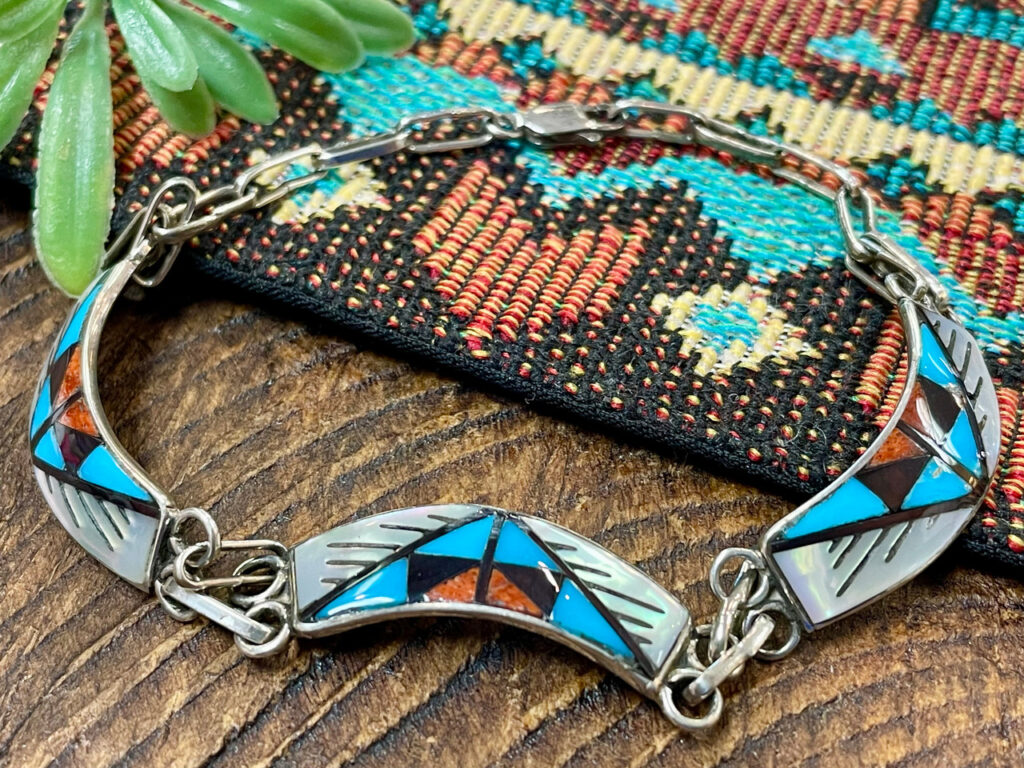
Zuni Jewelry is a testament to the rich cultural heritage and artistic skill of the Zuni people, a Native American tribe primarily based in the Zuni Pueblo of New Mexico. Recognized for its intricate designs, vibrant stones, and symbolic motifs, Zuni Jewelry is not merely decorative—it is a form of storytelling, a preservation of tradition, and a reflection of the spiritual and social life of the Zuni community. Over generations, this art form has evolved into one of the most celebrated expressions of Native American craftsmanship.
The roots of Zuni Jewelry trace back hundreds of years, blending indigenous traditions with influences from Spanish colonization and other Native American tribes. Historically, jewelry was used in ceremonial practices, trade, and as a symbol of status. Today, it continues to hold deep meaning, with artisans maintaining techniques passed down through generations while incorporating contemporary innovations.
Zuni Jewelry is perhaps most famous for its distinctive use of stones. Turquoise, coral, mother-of-pearl, jet, and onyx are meticulously selected for their color, texture, and spiritual significance. Turquoise, for example, is highly valued not only for its beauty but also for its association with protection, health, and connection to the sky and water. The careful combination of these stones in Zuni Jewelry creates vibrant, harmonious designs that are both visually striking and culturally resonant.
A hallmark of Zuni Jewelry is the precision of the stone inlay technique. Unlike other forms of Native American jewelry, which may rely on beadwork or overlay, Zuni artisans excel in channel inlay and petit point designs. Each tiny piece of stone is cut, shaped, and fitted with extraordinary accuracy, often forming patterns that depict animals, symbols, or abstract motifs. The result is a seamless mosaic where the stones appear to flow naturally, showcasing the artisan’s meticulous attention to detail.
Animal motifs are particularly prominent in Zuni Jewelry, reflecting the tribe’s spiritual beliefs and close relationship with nature. Birds, bears, snakes, turtles, and other animals often serve as symbolic representations of strength, wisdom, fertility, and protection. These designs are not arbitrary; each choice carries meaning and communicates a connection between the wearer and the natural or spiritual world. In addition to animals, other symbolic elements such as the sun, water waves, and feathers are integrated into Zuni Jewelry, emphasizing harmony, balance, and continuity with tradition.
The process of creating Zuni Jewelry is labor-intensive and requires a blend of artistic intuition, technical skill, and cultural knowledge. Artisans typically start with raw stones, carefully shaping them with hand tools before polishing them to achieve a luminous finish. The setting of the stones into silver, often through hand-cut channels, demands precision and patience, as even a slight misalignment can disrupt the harmony of the design. Silver itself is another element deeply associated with Zuni Jewelry, offering a durable and flexible medium that complements the vibrancy of the stones.
Another distinguishing feature of Zuni Jewelry is the use of petit point inlays. These intricate designs consist of tiny, precisely cut pieces of stone arranged in geometric or pictorial patterns. Petit point inlays are considered among the most challenging techniques in Zuni Jewelry because of the exacting level of craftsmanship required. Each piece must be carefully measured and positioned to maintain the overall symmetry and visual flow, demonstrating the artisan’s mastery of both design and technique.
Zuni Jewelry is not limited to rings and necklaces; it encompasses bracelets, earrings, belts, pins, and even ceremonial items. Each piece is crafted to tell a story, convey a message, or serve a functional purpose. For example, traditional Zuni earrings might incorporate motifs symbolizing fertility or protection, while belt buckles and pins often feature more elaborate scenes or spiritual symbols. Collectively, these pieces form a rich tapestry of cultural expression, blending aesthetics with meaning.
The significance of Zuni Jewelry extends beyond its beauty. It plays a crucial role in preserving Zuni identity and heritage. Through jewelry, younger generations learn the history, values, and techniques of their ancestors. Artisans are often trained within families, passing down not just technical skills but also stories, spiritual beliefs, and cultural practices. In this way, Zuni Jewelry becomes a living tradition, continually evolving while remaining anchored in the tribe’s heritage.
Contemporary Zuni artists continue to innovate, blending traditional methods with modern design concepts. Some incorporate new materials, experiment with abstract patterns, or create pieces that appeal to broader audiences without compromising cultural authenticity. This balance between tradition and innovation has helped Zuni Jewelry maintain its relevance in both Native American communities and the global art market. Collectors and enthusiasts worldwide recognize the value of Zuni Jewelry not only as wearable art but also as a symbol of cultural resilience and creative excellence.
Zuni Jewelry also plays an important economic role in the Zuni Pueblo. The sale of handcrafted pieces supports local artisans and their families, allowing them to sustain their craft while contributing to the community’s economic well-being. Many artisans participate in markets, galleries, and exhibitions, sharing their work with a wider audience and fostering appreciation for Native American art. This visibility helps protect the authenticity of Zuni Jewelry, distinguishing genuine handmade pieces from mass-produced imitations.
Authenticity is a key concern for collectors and buyers of Zuni Jewelry. Genuine pieces can be identified through hallmark signatures, traditional inlay techniques, and the quality of craftsmanship. Understanding the cultural and technical aspects of Zuni Jewelry enhances its appreciation, allowing collectors to recognize the skill, patience, and artistry embedded in each piece. Each item is more than a decorative object—it is a reflection of a rich cultural narrative and a celebration of human creativity.
In conclusion, Zuni Jewelry embodies the intersection of art, culture, and spirituality. Its intricate designs, precise stonework, and meaningful motifs showcase the extraordinary skill of Zuni artisans and the deep heritage of the Zuni people. Through techniques like channel inlay, petit point, and silverwork, each piece communicates stories of nature, spirituality, and community. The ongoing evolution of Zuni Jewelry demonstrates the tribe’s ability to honor tradition while embracing innovation, ensuring that this remarkable art form continues to inspire and captivate generations to come. Zuni Jewelry remains not only a treasured cultural artifact but also a living testament to human creativity, patience, and devotion to craft.
This article captures the essence of Zuni Jewelry as an enduring symbol of artistic excellence and cultural identity, highlighting its historical roots, technical mastery, symbolic significance, and ongoing relevance in both Native American and global contexts.
