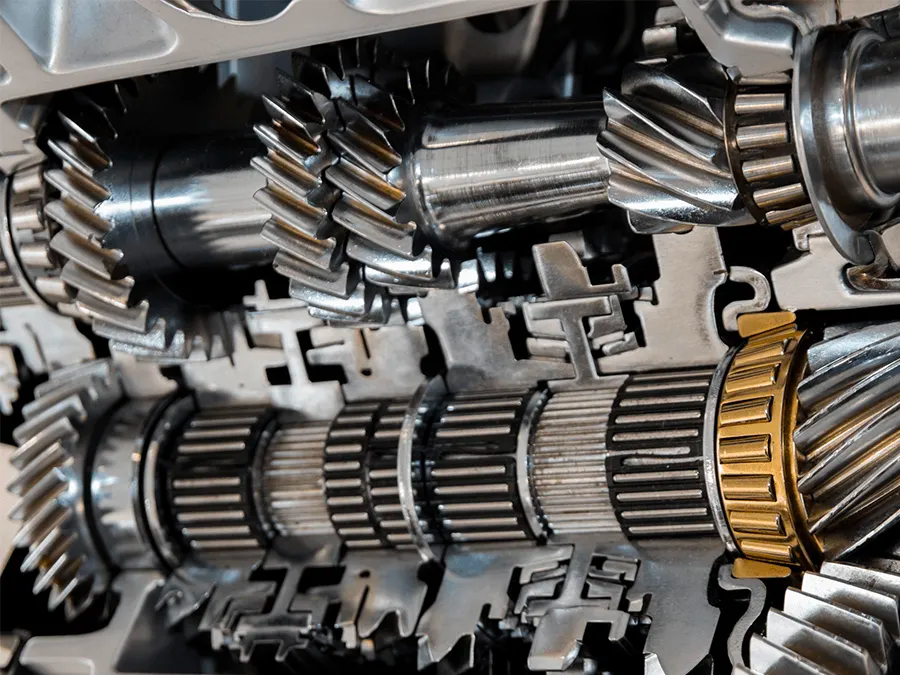
Driving in Phoenix presents a unique set of challenges for any vehicle. From intense summer heat exceeding 110°F to grueling stop-and-go traffic on highways like I-10 and Loop 101, local driving conditions place extraordinary stress on your vehicle’s critical components. Among these, the transmission plays a vital role by transferring power from the engine to the wheels. When extreme desert heat accelerates fluid breakdown and thermal expansion, transmission problems can escalate rapidly.
Knowing the early warning signs of gear system failure can save you from an unexpected breakdown on a remote stretch of highway or costly damage to adjacent components. Understanding these indicators helps drivers identify when it is time to seek professional transmission replacement Phoenix services before a manageable issue becomes a total system failure.
The Role of Desert Heat in Transmission Wear
Phoenix’s climate is notoriously tough on automobiles. Transmission fluid acts as both a lubricant and a hydraulic fluid, enabling smooth gear changes while keeping operating temperatures under control. However, extended exposure to extreme ambient heat causes fluid to degrade much faster than in moderate climates.
When fluid oxidizes, it loses its ability to lubricate friction surfaces and dissipate internal heat. This leads to increased metal-on-metal friction, severe overheating, and accelerated wear on internal clutches, gears, and solenoids. For drivers in the Valley of the Sun, proactive awareness of transmission health is essential to maintaining vehicle reliability year-round.
1. Strange Sounds: Whining, Clunking, or Humming
One of the earliest and most noticeable indicators of transmission wear is unusual noise during operation. Different transmission types produce distinct warning sounds when internal components begin to degrade:
- Automatic Transmissions: Often produce a high-pitched whining, buzzing, or humming noise that changes in pitch as the vehicle accelerates or shifts gears.
- Manual Transmissions: Typically emit sharp clunking or metallic grinding sounds when engaging a gear.
- CVT (Continuously Variable) Transmissions: May create a loud, persistent whining noise under load or acceleration.
These sounds frequently stem from low fluid levels, worn bearings, or damaged gear teeth. Ignoring minor noises usually results in further friction damage, ultimately leading to total mechanical failure.
2. Slipping Gears and Unresponsive Shifts
A properly functioning transmission should shift seamlessly from one gear to the next without hesitation. When internal components deteriorate or fluid pressure drops, you may experience gear slipping or delayed shifting.
Recognizing Gear Slipping
Gear slipping occurs when the vehicle unexpectedly changes gears without user input or suddenly drops into neutral while driving. You might notice the engine revving high (an increase in RPMs on your tachometer) while the vehicle fails to accelerate accordingly. This lack of power transfer is often caused by worn friction plates, faulty solenoids, or insufficient hydraulic pressure.
Delayed Engagement
When moving the shift lever from Park into Drive or Reverse, there should be an immediate response. If your vehicle hesitates for several seconds before engaging—or if you feel a harsh lurch when it finally shifts—it indicates internal wear or fluid delivery problems that require immediate inspection.
3. Leaking Transmission Fluid
Unlike engine oil, a healthy transmission operating system is entirely sealed and should never consume or burn fluid. If you notice a puddle beneath your vehicle, it demands swift attention.
- Fluid Appearance: Fresh transmission fluid is bright pink or red and clear. If it appears dark brown, black, or burnt, it has degraded beyond its effective lifespan.
- Common Leak Sources: Leaks typically originate from worn pan gaskets, degraded front or rear axle seals, damaged cooler lines, or a cracked torque converter.
Operating a vehicle with low fluid starves internal gears and clutch packs of lubrication, leading to rapid friction accumulation and irreversible overheating.
4. Burnt Smell Coming from the Engine Bay
A distinct, acrid burnt odor emanating from under the hood or near the wheels is a critical red flag. Clean transmission fluid has a slightly sweet or petroleum-like scent. When fluid overheats severely, it breaks down and smells distinctly burnt.
Burnt fluid indicates that internal operating temperatures have breached safe thresholds. Once fluid reaches this state, it can no longer cool or lubricate internal moving parts. Continuing to drive under these conditions quickly damages planetary gear sets, clutch bands, and internal seals, making complete system replacement the only viable solution.
5. Grinding Gensation and Rough Shifting
Vehicles should transition between gears smoothly. If shifting feels rough, violent, or produces a grinding sensation, internal components are failing to synchronize.
In manual vehicles, grinding during gear shifts usually points to a worn clutch assembly, failing synchronizer rings, or damaged shift forks. In automatic vehicles, rough or harsh shifting—often feeling like a physical bump or sudden jerk—signals worn clutch bands, failing valve bodies, or low hydraulic pressure.
6. Illuminated Check Engine or Transmission Warning Light
Modern vehicles are equipped with sophisticated computer networks and sensors that constantly monitor engine and drivetrain parameters.
When sensors detect slipping gears, abnormal fluid temperatures, incorrect pressure ratios, or electronic solenoid faults, the vehicle’s computer triggers the Check Engine Light or a dedicated Transmission Warning Light (often shaped like a gear with an exclamation mark). Diagnostic trouble codes (DTCs) stored in the computer provide technicians with precise details on internal electrical or mechanical failures.
Repair vs. Replacement: Making the Right Decision
When severe symptoms present themselves, drivers often evaluate whether to repair, rebuild, or fully replace the unit. While minor fluid leaks or solenoid replacements can address isolated issues, widespread mechanical wear or severe heat damage often makes full replacement the most reliable and cost-effective choice.
A complete replacement installs a fully restored or factory-remanufactured unit, replacing all internal wear items, gaskets, and electronic controls. This eliminates hidden damage and restores long-term dependability for driving in extreme climates.
Protecting Your Vehicle in Phoenix
Taking action at the first sign of trouble prevents complete mobility loss and protects your investment. To maximize transmission lifespan in desert conditions:
- Schedule routine fluid checks and service intervals as recommended by manufacturer standards.
- Avoid towing heavy loads beyond rated vehicle capacities during peak summer heat.
- Address minor leaks, slipping, or unusual noises as soon as they appear.
By recognizing warning signs early and consulting experienced professionals, you ensure your vehicle remains safe, reliable, and prepared for every journey across the Phoenix valley.
