A comfortable home depends on more than attractive interiors and efficient appliances. Proper insulation plays a major role in maintaining consistent indoor temperatures, reducing energy waste, and creating a more pleasant living environment throughout the year. For homeowners insulation removal longmont looking to improve their property’s performance, attic insulation Golden can be an effective investment. Because the attic is one of the most important areas for controlling heat transfer, upgrading its insulation can help improve comfort while supporting long-term energy savings.
Why Attic Insulation Matters
The attic is directly exposed to outdoor temperature changes. During hot weather, heat from the roof can move into the living areas below. During colder months, warm indoor air can escape through an inadequately insulated attic. This constant heat transfer can make heating and cooling systems work harder than necessary.
Quality attic insulation creates a thermal barrier between the living space and the outside environment. It helps slow down heat movement, allowing your home to maintain a more stable indoor temperature. This can make rooms feel more comfortable and may reduce the amount of energy required to operate your HVAC system.
For homeowners in Golden, where seasonal temperature changes can be significant, properly installed insulation can be particularly valuable.
Benefits of Attic Insulation in Golden
Improved Indoor Comfort
One of the most noticeable benefits of attic insulation is improved comfort. Rooms located directly beneath the attic can become unusually warm during summer or cold during winter when insulation is insufficient.
Installing appropriate insulation helps minimize temperature fluctuations. Instead of dealing with hot and cold spots, homeowners can enjoy a more consistent indoor environment. This is especially useful for bedrooms, upstairs living spaces, and other rooms located below the attic.
Better Energy Efficiency
Poor insulation allows conditioned air to escape and outdoor temperatures to influence indoor spaces. As a result, heating and cooling equipment may need to operate for longer periods.
A properly insulated attic reduces unwanted heat transfer. Your HVAC system may therefore have an easier time maintaining the desired temperature. Over time, improved efficiency can contribute to lower energy consumption and potentially reduce utility costs.
Reduced HVAC Workload
Heating and cooling systems can experience unnecessary strain when a home has inadequate insulation. If conditioned air escapes through the attic, the HVAC system must repeatedly compensate for the lost temperature.
Attic insulation helps create a stronger thermal boundary around the living space. By reducing heat loss and heat gain, it can help your HVAC equipment operate more efficiently. This may also support the long-term performance of the system when combined with proper maintenance.
Choosing the Right Attic Insulation
Different insulation materials offer different characteristics, and the best option depends on factors such as the attic’s design, existing insulation, moisture conditions, and the homeowner’s goals.
Fiberglass Insulation
Fiberglass is a widely used insulation material consisting of fine glass fibers. It is available in batts, rolls, and loose-fill forms. Its popularity comes from its versatility and relatively straightforward installation.
Fiberglass can be suitable for many attic applications when properly installed. However, gaps, compression, and poor coverage can reduce its effectiveness, so professional installation or inspection can be helpful.
Spray Foam Insulation
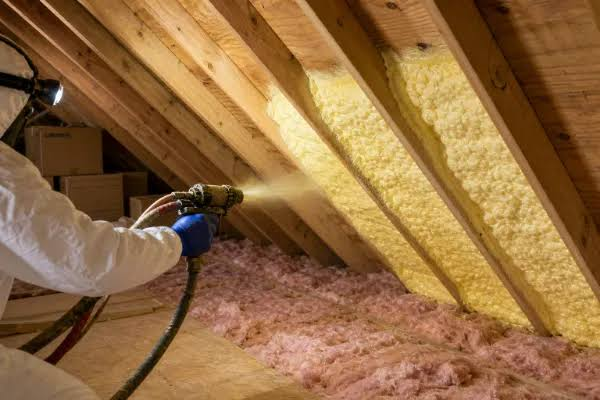
Spray foam insulation is applied as a liquid that expands and forms a continuous insulating layer. It can provide excellent air sealing when correctly installed and may be useful in areas with difficult-to-reach spaces.
One advantage of spray foam is its ability to seal gaps and cracks that may otherwise allow unwanted air movement. This can make it an attractive choice for homeowners seeking both insulation and improved air sealing.
Cellulose Insulation
Cellulose insulation is commonly made from recycled paper fibers and is often installed as loose-fill material. It can provide effective coverage across attic floors and around irregular spaces.
Like other insulation materials, cellulose performs best when installed at an appropriate depth and distributed evenly throughout the attic.
Signs Your Attic Needs More Insulation
Homeowners may notice several signs that their attic insulation needs attention.
Uneven Temperatures
If certain rooms are consistently hotter or colder than others, inadequate insulation could be one possible cause. Rooms directly beneath an attic are often affected by poor thermal protection.
Rising Energy Bills
Unexpected increases in heating and cooling costs can sometimes indicate that conditioned air is escaping or that outdoor temperatures are transferring easily through the building envelope.
Old or Damaged Insulation
Insulation can become displaced, compressed, contaminated, or damaged over time. Older insulation may also no longer provide the level of performance expected by modern homeowners.
Drafts and Air Leakage
Drafts around attic access points, recessed areas, or ceiling penetrations can indicate air leakage. While insulation helps slow heat transfer, air sealing is also an important part of improving attic performance.
The Importance of Professional Installation
Installing attic insulation is not simply a matter of placing material across the attic floor. Proper preparation, coverage, ventilation, and air sealing all contribute to the final performance of the insulation.
A professional can inspect the existing attic and identify areas where insulation is missing, damaged, or insufficient. They can also assess potential moisture problems and determine whether old insulation should be removed before new material is installed.
Professional installation can help ensure that insulation is distributed consistently and that important attic components remain accessible. Proper installation also helps homeowners avoid common problems such as compressed insulation, uncovered areas, and blocked ventilation pathways.
Attic Ventilation and Insulation
Insulation and ventilation work together to support a healthy attic environment. Attic ventilation helps manage moisture and excess heat, while insulation reduces heat transfer between the attic and living areas.
Blocking ventilation paths with insulation can interfere with proper airflow. For this reason, insulation work should be completed carefully, especially around roof vents and other ventilation components.
A professional assessment can help determine whether the attic has appropriate ventilation before insulation is added or upgraded.
When to Consider Insulation Removal
In some situations, adding new insulation over existing material may be appropriate. However, severely damaged, contaminated, wet, or deteriorated insulation may need to be removed first.
Removing old insulation allows the attic to be inspected more thoroughly. Problems involving moisture, pests, or damaged areas can then be addressed before new insulation is installed.
Homeowners should avoid disturbing questionable insulation without professional guidance, particularly when the material is old or its condition is unknown.
Long-Term Value of Attic Insulation
Attic insulation is more than a short-term home improvement. It can contribute to better comfort, energy efficiency, and overall building performance for years when properly selected and installed.
By reducing unwanted heat transfer, insulation can help maintain indoor temperatures more effectively. It may also reduce the workload placed on heating and cooling equipment. These benefits can make attic insulation a practical consideration for homeowners planning to improve their property’s energy performance.
Conclusion
Investing in attic insulation Golden can help homeowners create a more comfortable and energy-efficient living environment. Proper insulation reduces heat transfer, supports consistent indoor temperatures, and can help heating and cooling systems operate more efficiently.
Whether you are building a new home, renovating an existing property, or noticing uncomfortable rooms and rising energy costs, evaluating the condition of your attic insulation is a worthwhile step. Choosing the right insulation material, addressing air leaks, maintaining proper ventilation, and ensuring professional installation can all contribute to better results.
With the right approach, attic insulation can become an important part of creating a comfortable, efficient, and well-protected home in Golden.
