A comfortable home depends on more than attractive interiors and reliable heating and cooling systems. Proper insulation plays an important role in maintaining indoor temperatures, reducing energy waste, and creating a more pleasant living environment throughout the year. For homeowners commercial insulation castle rock in Aurora, improving attic insulation can be one of the most effective ways to enhance overall home performance. Attic insulation Aurora services help address heat transfer through the roof while supporting better energy efficiency and indoor comfort.
Why Attic Insulation Matters
The attic is one of the most important areas of a home when it comes to temperature control. During warmer months, heat from the sun can cause attic temperatures to rise significantly. Without adequate insulation, that heat can move into the living spaces below, making rooms warmer and forcing air conditioning systems to work harder.
During colder weather, heat produced inside the home can escape through an inadequately insulated attic. This can result in uneven indoor temperatures and increased heating requirements. Proper insulation creates a thermal barrier that slows heat movement between the living area and attic.
For Aurora homeowners, this can make a meaningful difference in year-round comfort. A properly insulated attic can help maintain more consistent indoor temperatures while reducing unnecessary energy loss.
Benefits of Attic Insulation in Aurora
Investing in attic insulation can provide several advantages for homeowners. These benefits extend beyond simply making rooms feel warmer or cooler.
Improved Energy Efficiency
One of the primary advantages of attic insulation is improved energy efficiency. When insulation limits heat transfer, heating and cooling systems do not have to operate as frequently to maintain the desired indoor temperature.
This reduced workload can contribute to lower energy consumption. Over time, homeowners may notice that their home is easier to heat during cold periods and easier to cool during warm weather.
Better Indoor Comfort
Temperature differences between rooms can be frustrating. One area may feel comfortable while another becomes noticeably warmer or colder. Poor attic insulation can contribute to these inconsistencies.
High-quality insulation helps create a more stable indoor environment by reducing the amount of heat entering or leaving the home through the attic. This can make bedrooms, living rooms, and other areas more comfortable throughout the year.
Reduced Heating and Cooling Strain
Heating and cooling equipment works harder when a home has significant heat loss or heat gain. An inadequately insulated attic can increase this workload.
By improving the thermal barrier between the attic and living spaces, insulation can help HVAC equipment operate more efficiently. Less unnecessary cycling can also support the long-term performance of heating and cooling systems.
Enhanced Home Performance
Attic insulation is part of a broader approach to improving building performance. When combined with proper air sealing and adequate attic ventilation, insulation can help create a more effective building envelope.
A well-maintained attic can reduce drafts, minimize unwanted temperature fluctuations, and contribute to a more efficient home overall.
Understanding Different Types of Attic Insulation
Homeowners have several insulation options available, and the best choice depends on the home’s structure, existing insulation, budget, and specific performance goals.
Fiberglass Insulation
Fiberglass is a commonly used insulation material available in batts, rolls, and loose-fill forms. It is widely used because it is relatively affordable and can be installed in many attic configurations.
Proper installation is important because gaps, compression, or uneven coverage can reduce its effectiveness. Professional assessment can help determine whether fiberglass is suitable for a particular attic.
Spray Foam Insulation
Spray foam insulation expands after application and can create an effective air barrier when installed correctly. It can be particularly useful around difficult-to-reach areas, gaps, and irregular surfaces.
There are different types of spray foam, and installation should be handled by trained professionals who understand appropriate application techniques and building requirements.
Blown-In Insulation
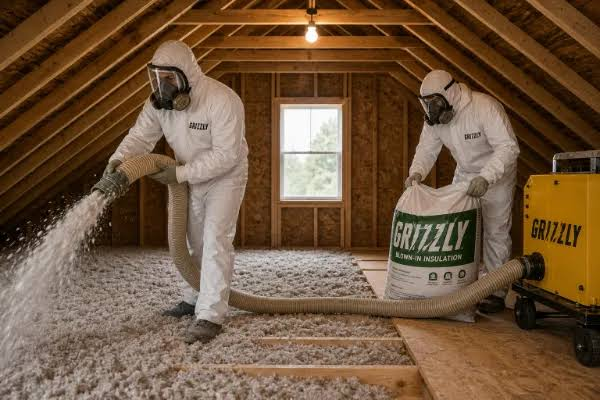
Blown-in insulation is installed using specialized equipment that distributes loose insulation material across attic areas. It can provide relatively uniform coverage and may be useful for adding insulation to existing attics.
The appropriate material and required depth depend on factors such as climate, attic design, and existing insulation levels.
Signs Your Attic May Need More Insulation
Not every homeowner knows when attic insulation has become inadequate. Several signs can indicate that an inspection may be worthwhile.
If certain rooms are consistently warmer or colder than others, insulation could be part of the problem. Unusually high heating or cooling demands may also indicate excessive heat transfer through the attic.
Visible gaps, compressed insulation, damaged material, or areas with little insulation are additional warning signs. Older homes may also have insulation that no longer provides the level of performance expected from modern building standards.
A professional attic inspection can identify insulation deficiencies and other issues that may affect energy efficiency.
The Importance of Air Sealing
Insulation and air sealing work together. Even high-quality insulation may not perform as expected if air is freely moving through gaps and openings.
Common areas requiring attention can include openings around pipes, wiring, recessed fixtures, attic access points, and other penetrations. Sealing appropriate gaps before or during insulation improvements can help reduce unwanted air movement.
This is why a complete attic assessment should consider both insulation levels and air leakage rather than focusing on insulation alone.
Attic Ventilation and Insulation
Proper attic ventilation is another important consideration. Attics need an appropriate approach to moisture and heat management, and insulation should not unintentionally block designed ventilation pathways.
Depending on the home’s construction, ventilation may involve soffit vents, ridge vents, gable vents, or other systems. A professional should evaluate the existing setup before adding or replacing insulation.
The goal is to create a balanced attic system where insulation, air sealing, and ventilation work together effectively.
Why Professional Installation Can Make a Difference
Attic insulation may appear to be a straightforward home improvement project, but proper installation requires attention to detail. Professionals can evaluate existing insulation, identify air leaks, check for moisture concerns, and recommend an appropriate insulation strategy.
Professional installation can also help ensure that insulation is distributed consistently without leaving significant gaps or compressing materials unnecessarily. Proper preparation and installation can improve the expected performance of the insulation system.
Homeowners should also consider local building requirements and manufacturer recommendations when selecting and installing insulation materials.
Choosing the Right Attic Insulation Solution
There is no single insulation solution that works perfectly for every Aurora home. The home’s age, roof design, attic accessibility, existing insulation, moisture conditions, and energy goals all matter.
Before making a decision, homeowners should consider the condition of the current insulation and whether air sealing or ventilation improvements are also needed. Comparing material types, installation methods, expected performance, and overall project costs can help homeowners make a more informed choice.
A professional assessment provides an opportunity to understand the specific needs of the property instead of relying on a one-size-fits-all approach.
Long-Term Value of Attic Insulation
Attic insulation is more than a short-term comfort improvement. It can contribute to the overall efficiency and performance of a home for many years when properly selected and installed.
Better temperature control can make daily living more comfortable, while reduced heat transfer can help heating and cooling systems work more efficiently. Insulation can also be part of a broader home improvement strategy focused on reducing energy waste.
For homeowners considering improvements to their property’s efficiency, the attic is an excellent place to begin because of its significant role in heat movement.
Make Your Aurora Home More Comfortable
A properly insulated attic can help homeowners create a more comfortable and energy-efficient living environment. From reducing unwanted heat transfer to supporting more consistent indoor temperatures, insulation can provide valuable benefits throughout the year.
If your home experiences uneven temperatures, excessive heating or cooling demands, or visible insulation problems, an attic assessment may be a worthwhile first step. With the right combination of insulation, air sealing, and ventilation, attic insulation Aurora solutions can help improve the performance and comfort of your home while supporting long-term energy efficiency.
