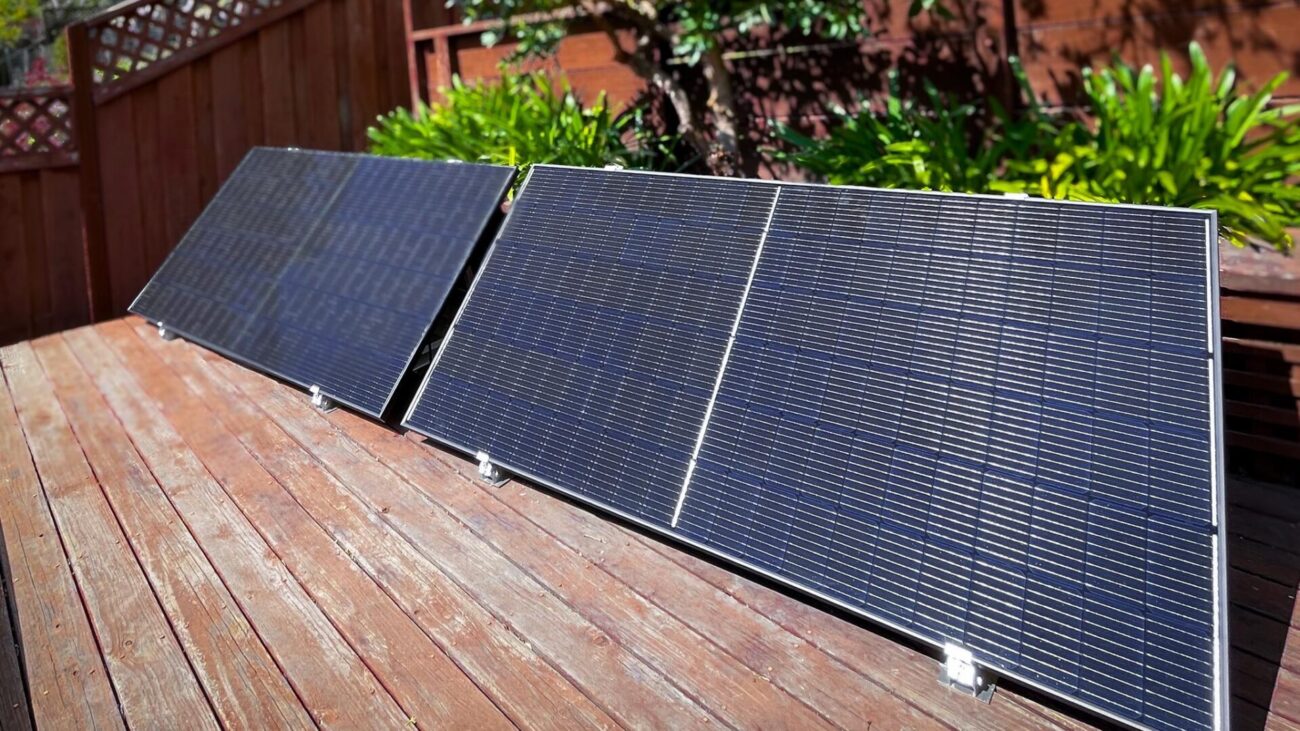
Solar energy has become an increasingly practical option for households looking to reduce electricity costs and use cleaner energy. For people living in apartments, condominiums, or homes with limited roof space, a Balcony Solar Energy System can provide a Balcony Solar Energy System convenient alternative to traditional rooftop solar installations. These compact systems are designed to use available balcony space for generating electricity while requiring less installation work than a large solar array.
Choosing the right system, however, requires careful consideration. Factors such as solar panel capacity, available balcony space, energy requirements, safety, installation method, battery storage, and local regulations can all affect the performance and suitability of a system. This guide explains the most important points to consider before purchasing a Balcony Solar Energy System.
Understand How a Balcony Solar Energy System Works
A Balcony Solar Energy System generally consists of solar panels, a microinverter, mounting equipment, and electrical connections. The panels capture sunlight and convert it into direct-current electricity. The microinverter then converts this electricity into alternating current that household appliances can use.
Some systems connect directly to the home’s electrical network, while others include a battery for storing unused energy. When sunlight is available, the system can help power household devices. A battery-equipped setup can store surplus electricity for later use, depending on the system’s design and capacity.
Understanding these basic components makes it easier to compare different products and determine which configuration is appropriate for your home.
Evaluate Your Balcony Space
The available balcony area is one of the first things you should assess. Solar panels need sufficient exposure to sunlight to operate effectively, so consider the balcony’s size, orientation, surrounding buildings, trees, walls, and other potential sources of shade.
A south-facing balcony may receive strong sunlight in some regions, while east- or west-facing balconies can also provide useful solar generation during particular parts of the day. A north-facing location may receive less direct sunlight depending on geographical conditions.
Measure the available mounting area before choosing panels. Make sure the installation will not obstruct doors, windows, walkways, drainage, or emergency access. The mounting system should also be compatible with the balcony’s structure.
Determine Your Electricity Requirements
Before selecting a system, consider how much electricity you want it to generate. Review your household electricity consumption and identify appliances that use energy during daylight hours.
For example, a system may be useful for offsetting electricity used by refrigerators, computers, lighting, networking equipment, or other everyday appliances. If your objective is to reduce daytime grid consumption, you may not need a very large system.
If you want greater energy independence, you may need additional panels or battery storage. Choosing a system based on actual energy requirements prevents unnecessary spending and helps ensure that the equipment matches your expectations.
Check Solar Panel Efficiency
Solar panel efficiency indicates how effectively a panel converts sunlight into electricity. Higher-efficiency panels can generate more electricity from a limited installation area.
This can be particularly important for balconies because space is usually more restricted than on a rooftop. When comparing panels, look at their rated power, efficiency, dimensions, warranty, and expected performance.
A panel with a high wattage rating is not automatically the best choice. The physical dimensions, mounting possibilities, sunlight conditions, and overall system design should also be considered.
Consider the Microinverter
The microinverter is an important part of a balcony solar setup because it converts the electricity generated by the panels into usable household electricity. Look for a reliable microinverter with appropriate power capacity and suitable safety features.
The inverter should be compatible with the solar panels and electrical requirements of the installation. Some modern systems also provide monitoring features that allow users to track electricity generation through a mobile application or web interface.
Monitoring can be useful because it helps you understand how much energy your system is producing and whether its performance changes over time.
Decide Whether You Need Battery Storage
Battery storage is optional for many balcony solar installations, but it can provide additional flexibility. Without a battery, electricity generated during the day is generally used immediately or handled according to the system’s grid connection arrangement.
A battery can store excess energy for use later when solar production is lower. This may be useful for households that consume more electricity during the evening.
When comparing batteries, consider usable capacity, charging efficiency, expected lifespan, safety features, warranty, and compatibility with the solar system. A larger battery is not always better if your household cannot use the stored energy efficiently.
Prioritize Safety and Certification
Safety should be one of the most important considerations when choosing a Balcony Solar Energy System. Solar panels and electrical equipment are exposed to outdoor conditions, so components should be designed for appropriate environmental conditions.
Check whether the panels, inverter, battery, cables, and mounting equipment meet applicable safety and electrical standards in your region. Reliable systems should include appropriate protection against electrical faults, overheating, and other potential problems.
The mounting structure also needs careful attention. Panels must be securely attached so that they remain stable in strong winds and changing weather conditions. Installation should follow manufacturer instructions and local electrical requirements. Where electrical work is required, a qualified professional should handle it.
Examine Installation and Mounting Options
Balcony systems can use different mounting arrangements depending on the type of balcony and the available space. Some panels are attached to railings, while others use floor-standing or wall-mounted structures.
Choose a mounting system that is compatible with your balcony and does not compromise structural integrity. The installation should remain stable while allowing adequate sunlight to reach the panels.
Also consider whether the system can be removed or relocated. Renters may prefer lightweight and easily removable equipment, while homeowners may have more flexibility for permanent installations.
Check Local Rules and Grid Requirements
Before purchasing a system, research the rules that apply to balcony solar installations in your area. Apartment buildings may have additional requirements established by property managers, homeowners’ associations, or building authorities.
Grid-connected systems can also be subject to electrical regulations and utility requirements. Depending on your location, approval, inspection, or specific equipment may be required before connecting the system to the household electrical network.
Understanding these requirements in advance can prevent installation delays and unexpected expenses.
Compare Warranty and Product Support
Solar equipment is a long-term investment, so warranty coverage matters. Compare the warranties offered for panels, inverters, batteries, and mounting equipment.
Look beyond the warranty length and check what is actually covered. Some warranties cover manufacturing defects, while others may include performance guarantees or specific replacement conditions.
Customer support is another important factor. Choose a manufacturer or supplier that provides clear installation documentation, technical assistance, replacement information, and accessible customer service.
Consider Total Cost and Long-Term Value
The purchase price is only one part of the overall cost. Consider panels, inverter, mounting equipment, cables, batteries, installation, maintenance, and any required electrical upgrades.
A cheaper system may not provide the best value if it has lower-quality components or limited warranty support. On the other hand, purchasing more equipment than you need can unnecessarily increase the initial investment.
Compare systems based on expected electricity production, durability, efficiency, warranty, and installation requirements rather than focusing only on the upfront price.
Think About Future Expansion
Your electricity needs may change over time. If you expect to add appliances or increase your energy consumption, consider whether the system can be expanded.
Some systems allow additional panels or batteries to be added later, while others have fixed configurations. A modular system can provide greater flexibility and allow you to increase capacity when necessary.
Ask the supplier about maximum system capacity and compatibility before making a purchase.
Conclusion
Choosing the right Balcony Solar Energy System requires more than simply selecting solar panels that fit on a balcony. You should evaluate available sunlight, balcony space, electricity consumption, panel efficiency, inverter quality, battery requirements, safety, mounting options, local regulations, warranty coverage, and total costs.
A well-planned system can make practical use of limited outdoor space and help reduce reliance on grid electricity. By comparing the technical specifications and long-term value of different options, homeowners and apartment residents can select a system that fits their energy needs and living environment. Careful planning and professional installation can also help ensure that the system operates safely and efficiently for years to come.
