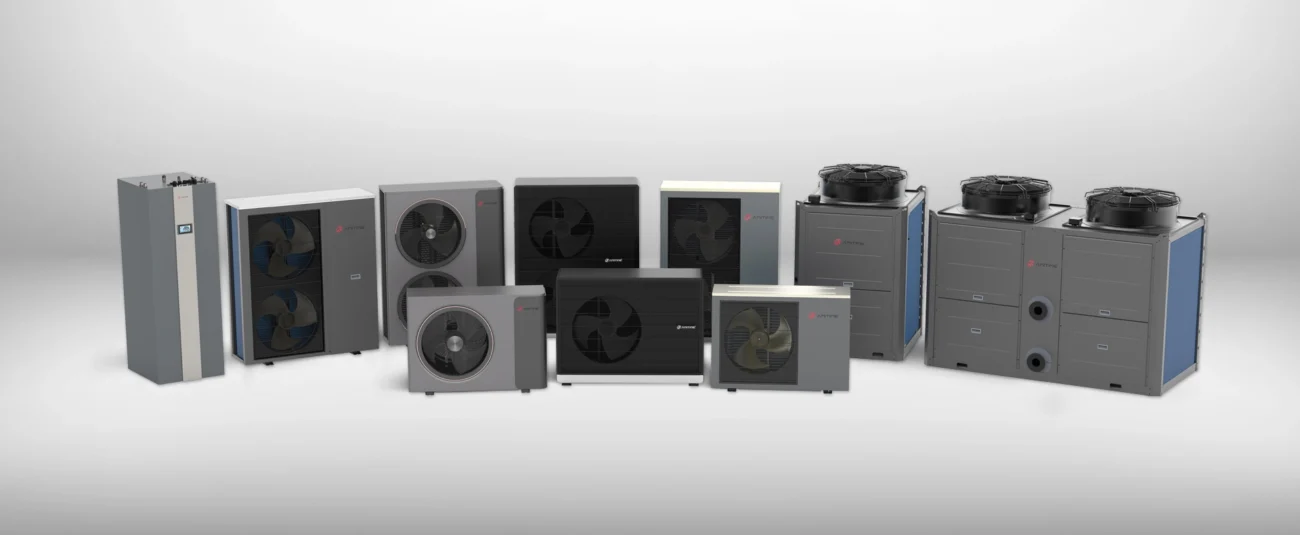
As the world moves toward cleaner technologies and more sustainable lifestyles, energy efficiency has become a major priority for homeowners, businesses, and industries. Heating and cooling systems are among the largest contributors to energy consumption in buildings, creating a strong demand for smarter and more environmentally responsible solutions. In this changing landscape, Amitime is gaining attention for its approach to modern heating technology and its focus on solutions designed to improve comfort while reducing unnecessary energy use.
The future of heating is no longer simply about producing more heat. It is about delivering the right amount of thermal energy with greater efficiency, better control, and lower environmental impact. By combining technological innovation with practical heating applications, Amitime represents the direction in which the industry is moving.
The Growing Need for Energy-Efficient Heating
Traditional heating systems can consume significant amounts of energy, particularly when they operate continuously or rely on inefficient methods of generating heat. Rising energy costs and growing awareness of environmental issues have encouraged consumers to consider alternatives that provide reliable indoor comfort without excessive energy consumption.
Energy-efficient heating systems are designed to make better use of available energy. Instead of wasting large amounts of power during the heating process, modern technologies aim to transfer or generate heat more efficiently. This approach can help reduce operating costs while supporting broader sustainability goals.
The importance of energy efficiency is particularly clear in residential buildings, commercial properties, offices, and industrial facilities. As buildings become more advanced and energy standards become stricter, heating technology must also evolve. Companies working in this sector have an opportunity to help shape a future where comfort and sustainability work together rather than compete with each other.
Amitime and the Evolution of Heat Pump Technology
One of the most important developments in energy-efficient heating has been the increasing adoption of heat pump technology. Unlike conventional systems that primarily generate heat by consuming fuel or electricity, heat pumps can transfer thermal energy from one location to another. This process can provide heating with a comparatively efficient use of electricity under suitable operating conditions.
Amitime is associated with the development and application of heat pump solutions that reflect this broader technological shift. Heat pumps can be used in a variety of environments, including homes, commercial buildings, and other facilities where efficient temperature management is important.
The growing interest in this technology demonstrates how heating is becoming more sophisticated. Modern systems can be designed to operate with improved efficiency, while advanced controls allow users to manage temperatures according to their needs. This combination of efficient technology and intelligent operation is becoming increasingly important as consumers seek practical ways to reduce energy consumption.
Smart Technology for Better Energy Management
Energy efficiency depends not only on the heating equipment itself but also on how that equipment is operated. A highly efficient system can still waste energy if it is poorly managed or used unnecessarily. This is why smart controls and automation are becoming increasingly valuable in modern heating solutions.
Intelligent heating systems can help users adjust temperature settings based on occupancy, weather conditions, schedules, and personal preferences. By reducing unnecessary operation, smart controls can contribute to lower energy consumption while maintaining comfortable indoor environments.
The integration of smart technology also creates opportunities for more precise system monitoring. Users can better understand how much energy their heating systems consume and identify potential inefficiencies. In the future, data-driven management may become an even more important part of residential and commercial heating.
Amitime’s place within this evolving industry highlights the importance of combining efficient hardware with intelligent control strategies. The future of heating will likely involve systems that are not only efficient but also responsive, connected, and easier to manage.
Supporting a More Sustainable Future
Sustainability has become a central consideration in the development of modern energy technologies. Governments, businesses, and consumers are increasingly looking for ways to reduce carbon emissions and limit dependence on energy sources with higher environmental impacts.
Energy-efficient heating solutions can contribute to these objectives by reducing the amount of energy required to maintain comfortable temperatures. When efficient systems are paired with cleaner electricity sources, their potential environmental advantages can become even more significant.
Heat pumps are particularly relevant to this transition because they can operate using electricity rather than relying exclusively on direct combustion. As electricity grids incorporate more renewable energy, electrically powered heating technologies may play a larger role in future decarbonization strategies.
The work associated with Amitime reflects a broader movement toward heating solutions that prioritize efficiency and environmental responsibility. While no technology is suitable for every building or climate, the continued development of efficient systems provides consumers with more options for reducing energy use.
Improving Comfort Without Compromising Efficiency
For many consumers, energy efficiency is important, but comfort remains the primary reason for installing a heating system. A solution that saves energy but fails to provide reliable warmth is unlikely to meet the expectations of modern users.
Advanced heating systems aim to balance these two requirements. Better system design, improved components, and intelligent controls can help maintain stable indoor temperatures while minimizing unnecessary energy consumption.
This balance is particularly important in regions with changing weather conditions. Heating systems must be capable of responding to different outdoor temperatures and varying household demands. Modern technologies are increasingly designed with flexibility in mind, helping users maintain comfortable environments under different operating conditions.
By focusing on the relationship between performance, efficiency, and comfort, the industry can develop solutions that are more appealing to a wider range of consumers.
The Role of Innovation in Future Heating
The heating industry is undergoing continuous innovation. Improvements in compressors, heat exchangers, refrigerants, sensors, controls, and system integration are helping manufacturers develop increasingly sophisticated solutions.
Future systems may become more connected and capable of communicating with other energy technologies within a building. For example, heating systems could work alongside solar energy, battery storage, smart electricity meters, and home automation platforms. Such integration could help users optimize energy consumption according to availability, demand, and cost.
Amitime represents the type of industry participant that can contribute to this broader transformation by focusing attention on efficient heating technologies and evolving consumer expectations. As research and development continue, innovations may make energy-efficient heating more accessible and practical for homes and businesses around the world.
Energy Efficiency and the Consumer of Tomorrow
Today’s consumers are becoming more informed about energy use. They increasingly consider not only the initial purchase price of a heating system but also long-term operating costs, maintenance requirements, reliability, and environmental performance.
This shift is changing the way heating products are evaluated. A system that delivers strong performance while using less energy may offer greater value over its operational lifetime. Consumers are also becoming more interested in technologies that can be monitored and controlled through digital interfaces.
The future customer is therefore likely to expect heating systems that are efficient, reliable, easy to operate, and compatible with modern energy-management strategies. Companies that understand these changing expectations will be better positioned to contribute to the next stage of the heating industry.
Looking Ahead to the Future of Heating
The future of heating is likely to be defined by efficiency, electrification, intelligent controls, and sustainability. As energy costs remain an important concern and environmental priorities continue to influence technology development, demand for efficient heating solutions is expected to grow.
Amitime’s role in this evolving field illustrates how modern heating technology is moving beyond traditional approaches. By emphasizing efficient systems, heat pump technology, smart management, and sustainable energy use, the industry is creating new possibilities for comfortable and responsible heating.
Ultimately, energy-efficient heating is about more than reducing electricity consumption. It is about creating systems that use resources intelligently, provide dependable comfort, and support a more sustainable energy future. As innovation continues, technologies associated with companies such as Amitime may help shape a heating landscape where efficiency and performance become standard expectations rather than optional features.
